After retirement, one often finds oneself facing an empty schedule and a simple question: where to start to maintain a sustainable rhythm? Active life after 60 is not just about ticking boxes on a list of good resolutions. It is built around concrete choices, adapted to one’s physical condition, desires, and neighborhood.
Physical activity after 60: starting from what you already do
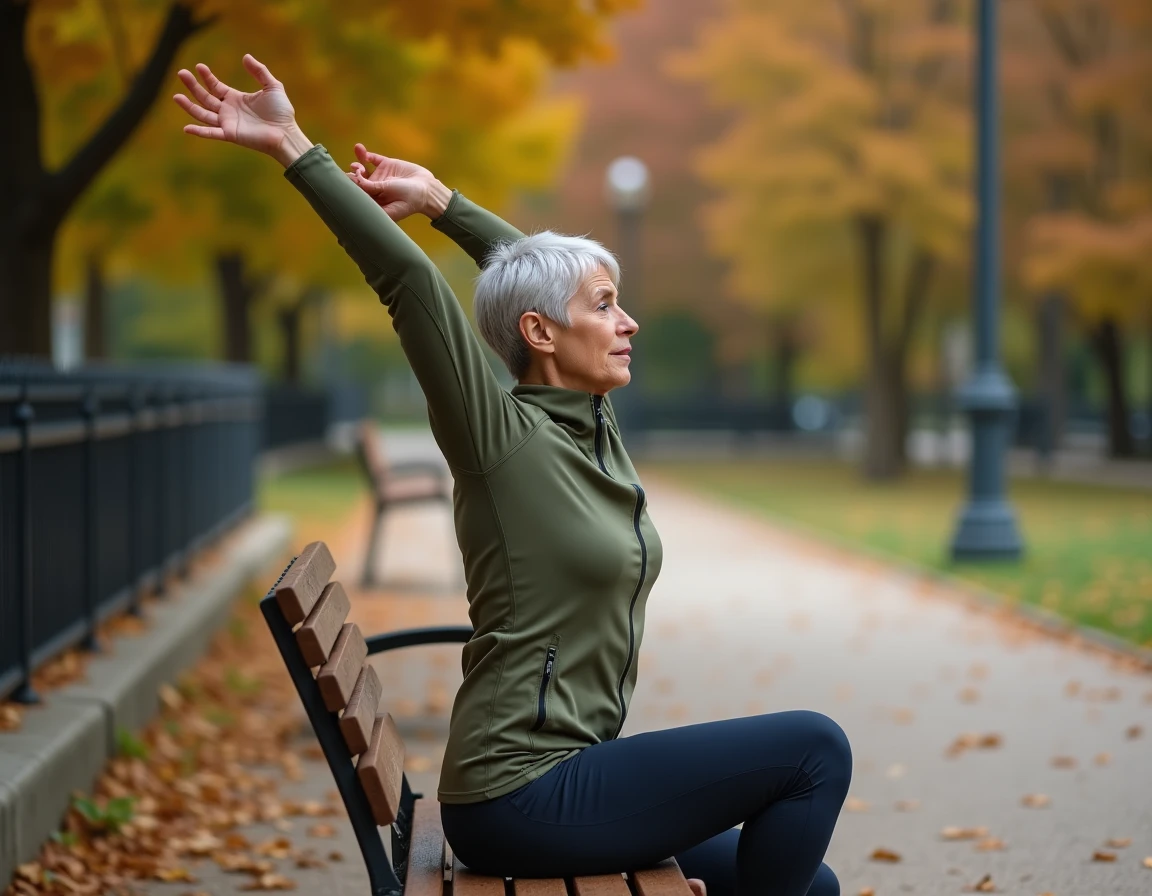
The classic trap is wanting to resume sports as if you were 40. You sign up at the gym, go three times, then never again. A more realistic approach is to integrate movement into daily activities rather than creating an artificial routine.
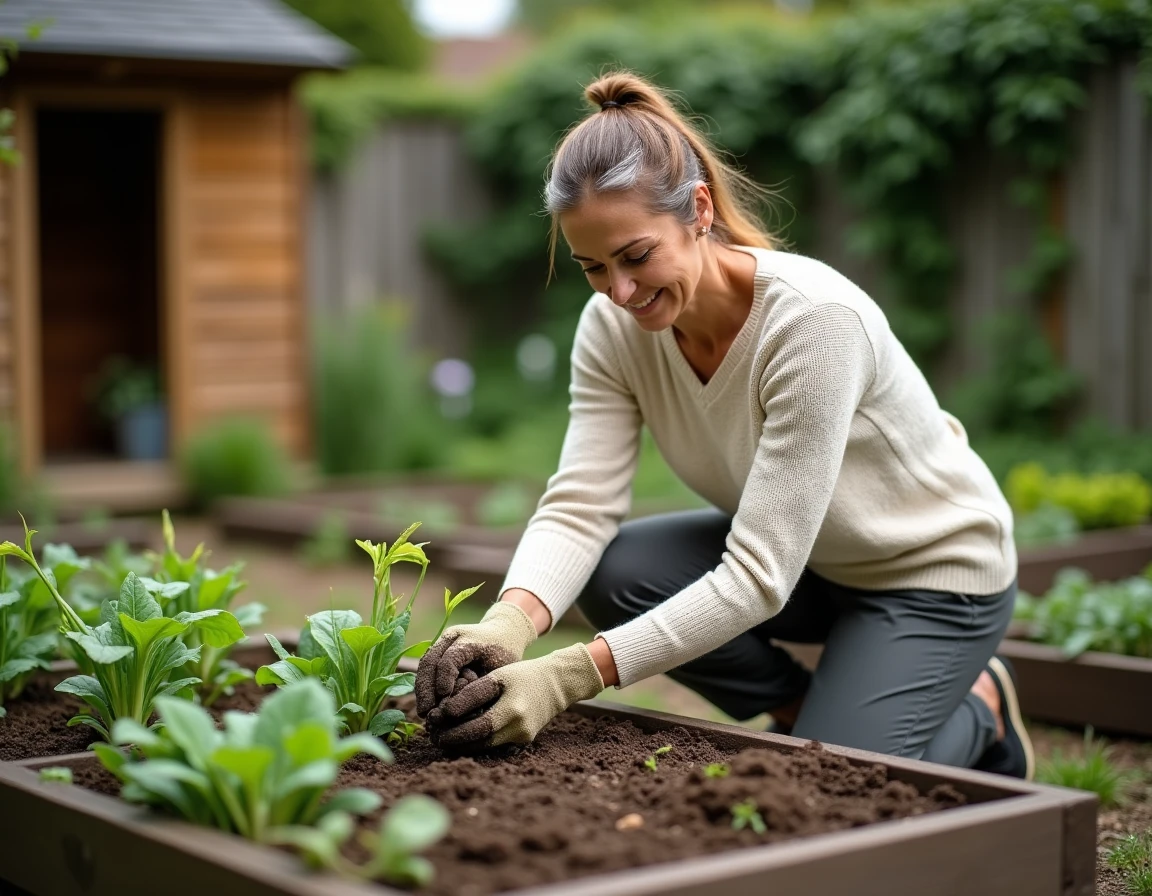
Walking to do your shopping instead of taking the car, climbing stairs, gardening for an hour in the morning: these activities engage balance, muscles, and cardio without requiring equipment. Feedback varies on this point, but several municipalities now offer free Nordic walking or gentle gym sessions for seniors, supervised by sports educators. These municipal programs are worth noting before paying for a subscription.
The resources published by Seniors Magazine help identify activities suited to each profile, from chair yoga to guided hiking.

If you suffer from joint pain, swimming or aquagym remain the most protective options for the joints. The goal is not performance, but regularity: three short sessions a week are better than an intense effort on Sunday.
Volunteering and community engagement: an underestimated prevention lever
There is much talk about social connections after 60, but rarely about the most structuring form of this connection: regular volunteering. Getting involved in an association, helping students with reading, or holding a regular shift in a local organization has a documented positive effect on mental health and the sense of usefulness.
The usual content on healthy aging mentions community engagement in passing, as a hobby among others. This is reductive. Volunteering acts as a real prevention lever, just like physical activity. It structures the week, creates fixed appointments, and generates interactions that go beyond the family circle.
Specifically, to find a mission suited to one’s skills and schedule, one can turn to the local association houses or departmental matchmaking platforms. Some missions require only two hours a week.
- Academic support or reading assistance in primary schools, often in the morning
- Food distribution or logistics in local branches of large associations
- Welcoming and guiding in cultural institutions (libraries, municipal museums)
- Digital support for isolated individuals, for online administrative procedures
Ageism and career change after 60: what the job market doesn’t say
Not all seniors want or can leave the professional world at 60. Some want to continue, others need additional income. The problem is that age-related discrimination in access to employment remains common, even for part-time positions or temporary missions.
Refusal of training, exclusion from recruitment processes, devaluation of acquired skills: these situations directly impact self-esteem. When you apply and don’t even receive an acknowledgment of receipt, discouragement sets in quickly.
To bypass these barriers, several concrete options work better than sending traditional CVs:
- Portage salarial or micro-entrepreneur status, which allows offering skills without going through a recruiter
- Local networks of mutual aid among senior independents, sometimes linked to chambers of commerce
- Consulting or mentoring missions in companies, where experience is a sought-after asset
Not succumbing to ageism also means choosing environments that value experience rather than stubbornly pursuing paths that filter by age.
Health prevention after 60: appointments not to postpone
Health check-ups are often postponed when one feels well. After 60, certain screenings become appointments to schedule in the calendar like any other commitment.
Monitoring blood pressure, checking blood sugar levels, organized screenings (colon, breast) and monitoring vision and hearing form a foundation of prevention that requires no physical effort, just regularity. An annual check-up with the primary care physician remains the most reliable starting point.
On the nutrition side, there is no need to revolutionize habits. Increasing protein intake (meat, fish, eggs, legumes) helps maintain muscle mass, which naturally decreases with age. Staying well-hydrated, especially in summer, remains a simple gesture often overlooked.
Fall prevention also deserves special attention. Checking lighting in hallways, removing slippery rugs, installing grab bars in the shower: these inexpensive adjustments reduce a risk that significantly increases after 65.
Living fully after 60 relies on concrete choices, not grand principles. Moving according to one’s abilities, engaging in a collective project, refusing to be excluded from the active world, and not postponing medical appointments create a solid framework. The rest is a matter of personal curiosity and the desire to explore what suits us.