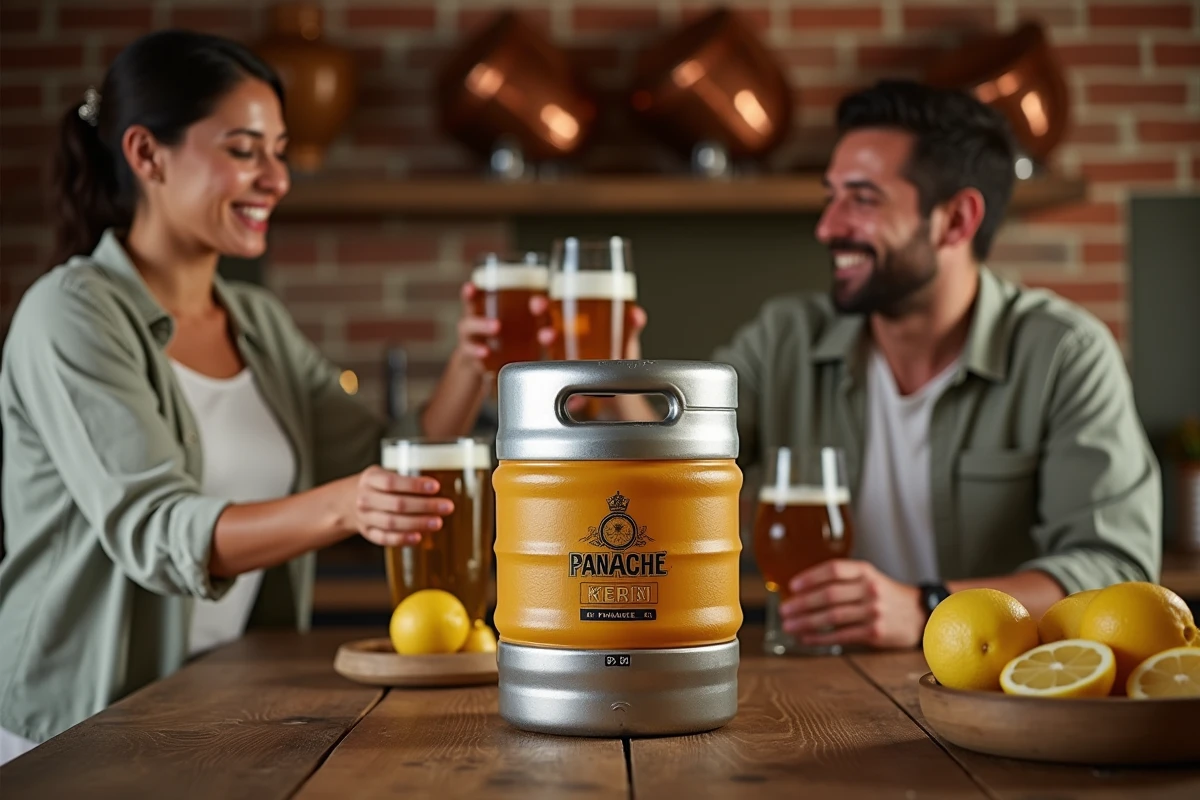
Serve a nice cold shandy on tap during a barbecue or an aperitif with friends, without accumulating empty bottles: the 5-liter keg meets this need perfectly. The format remains compact, the drink stays fresh, and the amount of waste decreases compared to individual cans. However, you need to know which keg to slide under the tap to ensure the result is up to par.
Compatibility of the 5L shandy keg with your beer tap
Before thinking about taste, check a technical point that conditions everything else: the dispensing system. A keg designed for a Beertender machine does not fit a PerfectDraft, and vice versa. A bad purchase means an unusable keg.
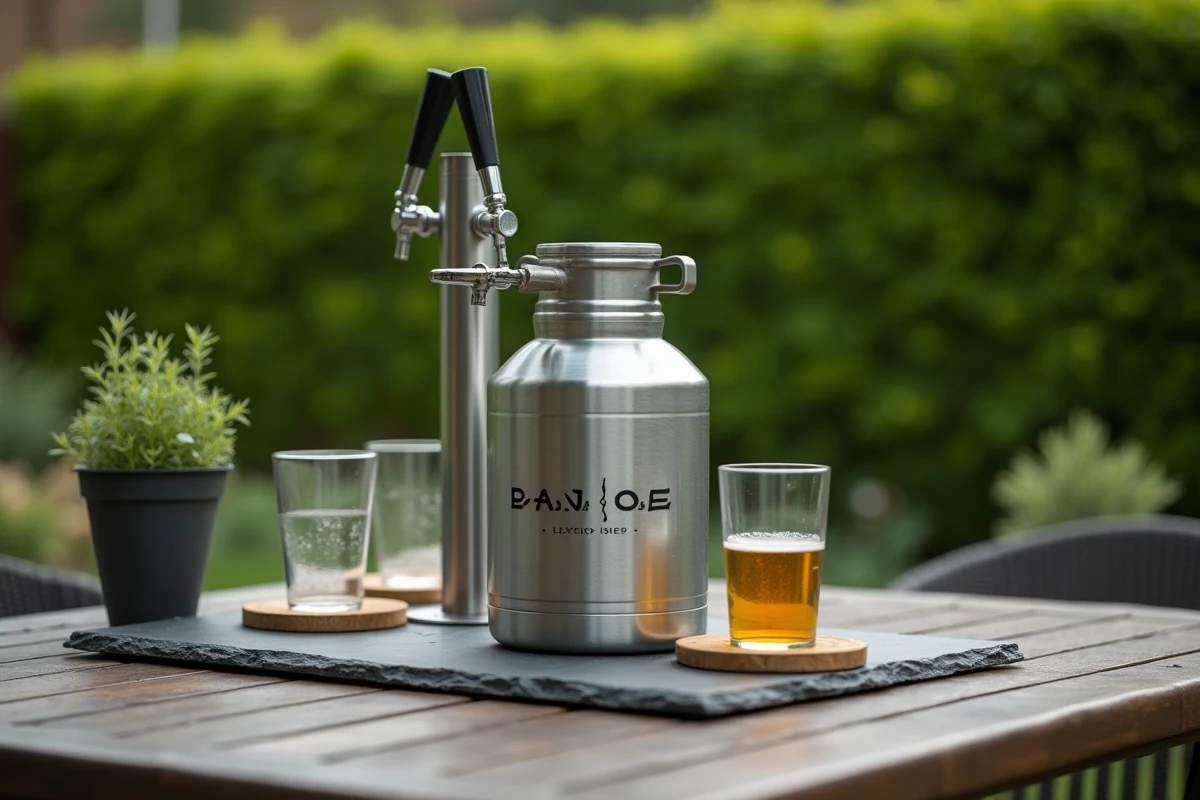
The 5-liter shandy kegs available on the market most often follow the Beertender standard, which remains the most widespread home system. Some so-called “universal” or “Party Keg” kegs work without a machine, thanks to an integrated tap. Always check compatibility before purchasing, by reading the label or product sheet.
For those who want to choose a suitable 5L shandy keg for their equipment, the compatibility criterion should take precedence over brand or price. A perfectly connected keg ensures a pour without excessive foam and stable carbonation from the first to the last glass.
Classic shandy or flavored radler: what flavor profile for your evenings
Have you noticed that the term “shandy” covers quite different drinks? A traditional shandy mixes pale beer and lemonade. A radler (its German equivalent) can include lemon, grapefruit, or other citrus fruits, with varying sweet balances.
In recent years, major brewing groups have expanded their ranges of flavored beers and shandies in 5-liter keg format. There are now versions with low alcohol content, or even alcohol-free, designed for long evenings where the audience is mixed: designated drivers, people reducing their consumption, or simply fans of light drinks.
Choosing according to the tasting context
For a summer outdoor aperitif, a classic lemony shandy works every time. If you’re hosting friends with varied tastes, a citrus radler or an alcohol-free version broadens the circle of satisfied guests.
- Classic shandy (beer + lemonade): familiar taste, slightly sweet, ideal for broad audiences
- Grapefruit or lime radler: more fruity bitterness, appreciated by those who find shandy too sweet
- Alcohol-free version: same keg format, same pouring experience, without the effects of alcohol – perfect when the evening extends
The choice of flavor profile influences the atmosphere as much as the menu. It’s better to have an empty keg enjoyed than a half-full keg because the taste didn’t suit the majority.
5-liter shandy keg and ecological approach: what really changes
The ecological argument for the 5-liter keg compared to individual bottles or cans is based on a simple principle: fewer single-use packages, less waste to sort. One keg replaces about ten glass bottles or twenty cans.
Brewers are gradually integrating circular packaging criteria into their environmental policies. This translates into an increase in recycled materials in the walls of mini-kegs and, in some specialized circuits, deposit or take-back systems.
The AGEC law and extended producer responsibility
In France, packaging regulations are evolving with the AGEC law (anti-waste for a circular economy). The 5-liter kegs fall under the scope of Extended Producer Responsibility, just like cans and bottles. In practical terms, manufacturers must contribute financially to the collection and recycling of these containers.
For the consumer, this means that the recycling channels for metal kegs are gradually being structured. The steel and aluminum that make up most mini-kegs can be recycled without loss of quality, provided they are placed in the correct recycling bin.

Storage and serving of shandy in a 5L keg: mistakes to avoid
A poorly stored shandy keg loses its carbonation and develops a flat taste within hours of opening. Why does this problem occur so often? Because shandy, being sweeter than a classic beer, is even more sensitive to temperature variations.
- Place the keg in the refrigerator for at least eight hours before serving – a warm keg produces uncontrollable foam when poured
- Once pierced, consume the contents within the following days: the freshness of the lemonade or citrus aromas degrades quickly
- Avoid taking the keg out and putting it back in the cold multiple times – each temperature cycle accelerates gas loss
A well-chilled keg before opening maintains its quality from the first to the last pour. This detail makes all the difference between a lively, sparkling shandy and a bland glass that discourages guests.
Quantity for an evening: a simple guideline
The 5-liter format is suitable for a small group. Count on one keg serving about fifteen standard glasses. For an evening with more than eight people, plan for two kegs, possibly with different flavors to vary the enjoyment.
The 5-liter shandy keg occupies a special place between classic draft beer and non-alcoholic beverages. Its format limits waste, its lightness appeals to diverse audiences, and its practicality simplifies service. The key is to choose the right dispensing system, the right flavor profile, and to respect the cold chain so that every glass served is as good as the first.