Even the most expensive tools do not always guarantee a neat job. A universal screwdriver can sometimes be less effective than a specialized model, despite the promises of versatility. The multitude of models on the market complicates the choice, making mistakes frequent, even among experienced DIYers.
The actual performance of equipment depends as much on its manufacturing quality as on the appropriateness of the choice for the task at hand. Behind every tool selection, there is a stake: safety, ease of use, results that meet expectations, far beyond the simple question of price or the logo printed on the handle.
Overview of DIY tools: understanding the main categories and their uses
No trustworthy workshop is complete without its essential tools. On one side, there are hand tools: specialized screwdrivers, precise pliers, sturdy hammers, sharp saws. They require wrist attention and reward precision. When chosen well, each tool allows for working on wood, metal, or plastic with complete peace of mind.
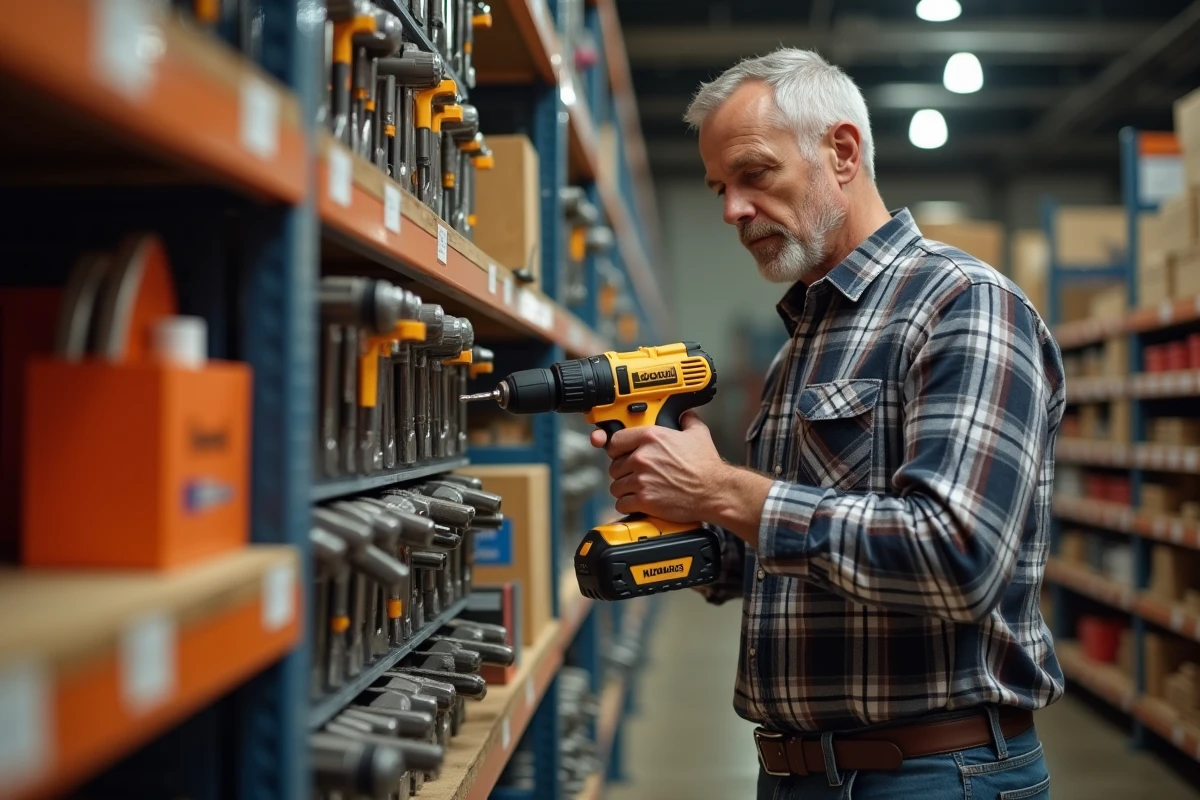
On the other side, power tools come into play to speed up the pace: drill drivers, jigsaws, sanders… they facilitate moving on to larger projects without sacrificing your energy. However, it is impossible to neglect proper settings or to do without accessories suited to the material being worked on.
In the face of the abundance of ranges, each tool meets a specific constraint. A screwdriver does not replace a wrench, and a sander does not substitute for a saw. Taking the time to select is to open oneself to safety, efficiency, and the pleasure of well-done work.
Relying on the equipment offered by Monsieur Bricoleur gives access to a serious, coherent range designed to support both initial projects and more specialized works. Basic materials, precision tools, references suited to wood, metal, or composite materials: every need finds its answer.
Which equipment to choose according to your projects? Practical tips to avoid mistakes
To avoid unnecessary purchases, always start by precisely defining what you aim to achieve. Renovating a bathroom, fixing a piece of furniture, installing shelves, or crossing a partition: each step calls for targeted tools and clear reasoning.
Building a relevant toolbox means gathering the classics: several types of screwdrivers, a reliable hammer, a tape measure, an effective universal plier. For tougher materials, turn to a drill driver, preferably versatile. Whether it is comfortable on wood, metal, or various plastics, that is the secret to great flexibility of use.
For specific projects:
Here are some choices to prioritize according to the challenges faced:
- On thick wood, the jigsaw ensures quick cuts and clean lines.
- To achieve precise assembly, equip yourself with a spirit level and a set of varied Allen keys.
- In electrical renovation or small plumbing, rely on reliable power tools and insulated pliers; safety is never negotiable.
It is impossible not to mention the ONE+ range, appreciated for its modularity and robustness. Take the time to assess your actual uses: frequency, family of materials, desired ergonomics, scalability of the whole. Investing in reliability gives you both confidence and peace of mind for all upcoming challenges in the workshop.
Quality, safety, reliability: essential criteria and answers to frequently asked questions
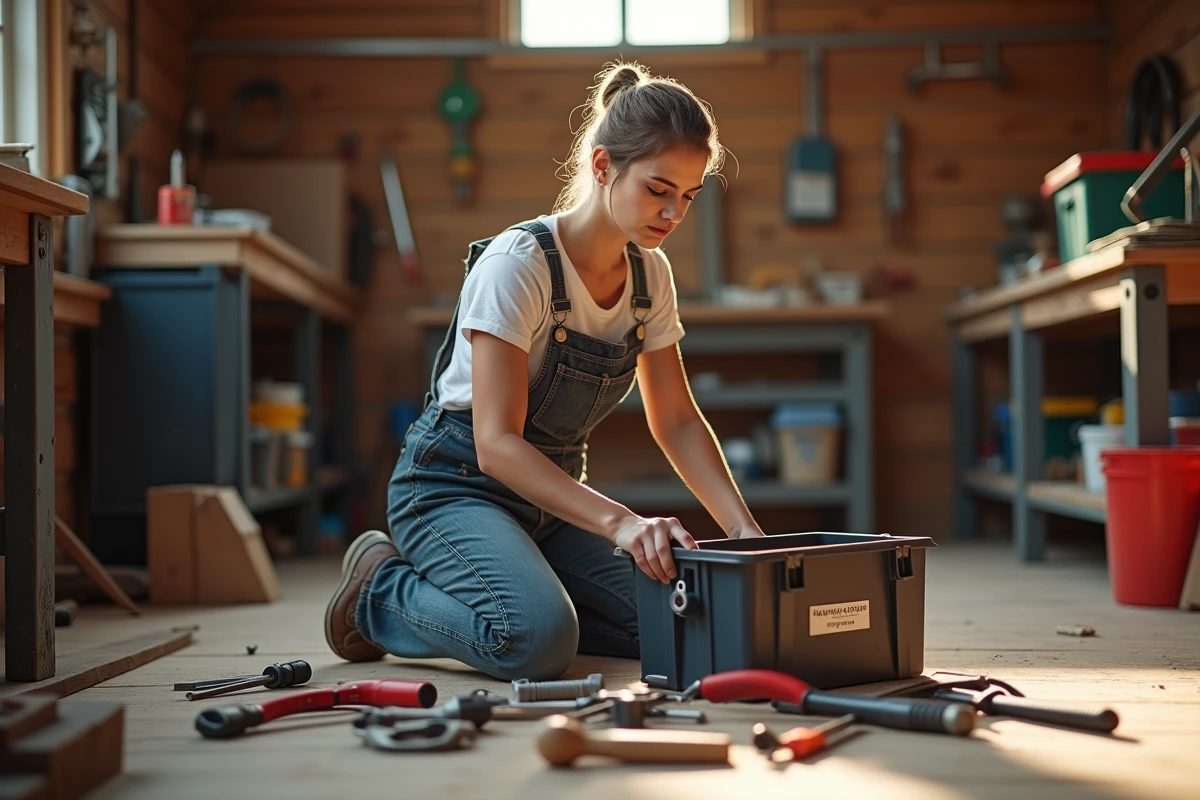
Choosing your DIY equipment is not trivial. Relying on tools made from proven materials: reinforced steel, durable alloys, ergonomic handles, is already betting on longevity. Comfort and safety do not stop at sturdiness: every intervention requires the right protective accessory, goggles, gloves, hearing protection. CE standards serve as a guideline that should never be lost sight of.
Also look at the warranty, the accessibility of customer service, and the ease of finding a clear manual. Ergonomics is equally important: a well-designed tool reduces effort, secures the grip, and makes handling significantly safer. Regardless of the material, wood or metal, the gesture becomes easier.
Recurring questions from DIYers
Among the most frequently encountered questions, several deserve concrete insights:
- To choose between two seemingly equivalent tools: think about the actual frequency of use, adaptability to the materials being worked on, and the nature of the intended tasks.
- For serious information: rely on specialized forums, in-depth video tutorials, and reliable trade publications.
- To better choose your protective equipment: anti-splash goggles, insulating gloves, and noise protection for each technical operation.
Selecting each tool thoughtfully allows for precision, to move forward with confidence even when the project evolves. Combine hand tools and power tools, always suited to the material as well as the task at hand.
A well-thought-out workshop is not just about comfort or productivity: it is about the taste for challenge without apprehension, the pride of reliable work, and an unbroken desire to dare to build, and to go even further for the next project.