Paris is often visited by hopping from the Eiffel Tower to the Louvre and the Champs-Élysées. This habit drives millions of visitors onto the same sidewalks at the same times. However, the most striking neighborhoods of the capital are often just two metro stops away from the classic routes, in streets where Parisians live, eat, and work daily.
Off-Center Walks and Greater Paris: Routes That Guides Forget
Since the dynamics of the Grand Paris Express and the legacy of the 2024 Olympics, guided tours are developing in Pantin, Saint-Denis, and Aubervilliers. These walks follow canals, cross rehabilitated former industrial wastelands, and reveal a dense street art scene, far from the tourist murals of the Marais.
The attendance on these circuits is increasing, but it remains marginal compared to the flows in the center. The result: human-sized visits, without waiting lines or mandatory reservations. Have you ever noticed that a neighborhood tells its story better when you encounter more locals than tourists?
Several organizations also offer walks led by residents of Goutte-d’Or, Belleville, or the 19th arrondissement. The principle: to blend local history, contemporary urban issues, and daily life, with a portion of the price donated to neighborhood projects. A participatory format that is documented on Paris Blogged, among other ideas for stepping off the beaten path.
Discovering Paris by Bike or on Foot: Soft Mobility and Slow Tourism
The metro-bus-taxi reflex leads to seeing Paris in fragments, from one metro exit to another. Switching to an electric bike or walking radically changes the perception of the city. You can sense the transitions between neighborhoods, the elevation changes, and the soundscapes.
Routes Along the Canals and the Petite Ceinture
Bike loops, whether on cargo bikes or electric bikes, are structured along the Ourcq and Marne canals. These routes sometimes take half a day, sometimes two days, with stops at guinguettes or less frequented parks.
The Petite Ceinture offers a unique route in the heart of Paris. This former railway line, partially open to the public, crosses shared gardens, greened embankments, and still wild sections. Each segment has its character: industrial in the 13th, almost rural in the 16th.
- From the Ourcq Canal to the Parc de la Villette, then extending towards Pantin: a flat route accessible to all levels
- Loop along the Marne, between Joinville and Nogent, with possible stops at leisure bases and guinguettes
- Sections of the Petite Ceinture open in the 12th, 15th, and 16th arrondissements, accessible on foot only
This type of route is part of an explicit rejection of the “must-see marathon.” The idea is to slow down to observe better, not to tick off a list.
Neighborhood Addresses in Paris: Eating and Drinking Like a Local
Good Parisian restaurants are not limited to bistros in the 6th or terraces in Montmartre. The peripheral arrondissements are full of canteens, natural wine cellars, and covered markets where prices remain reasonable.
Markets and Canteens Outside Tourist Areas
The Aligre market (12th) remains one of the most vibrant in the capital, with its stalls of fruits, vegetables, and cheeses at prices significantly lower than those in the center. The covered market of La Chapelle (18th) offers specialties from around the world in a noisy and authentic atmosphere.
Neighborhood canteens often serve a complete lunch for less than a dish on a tourist terrace. Belleville, Oberkampf, and the lower part of Ménilmontant concentrate addresses where you can eat well without booking three weeks in advance.
Natural Wine Cellars and Microbreweries
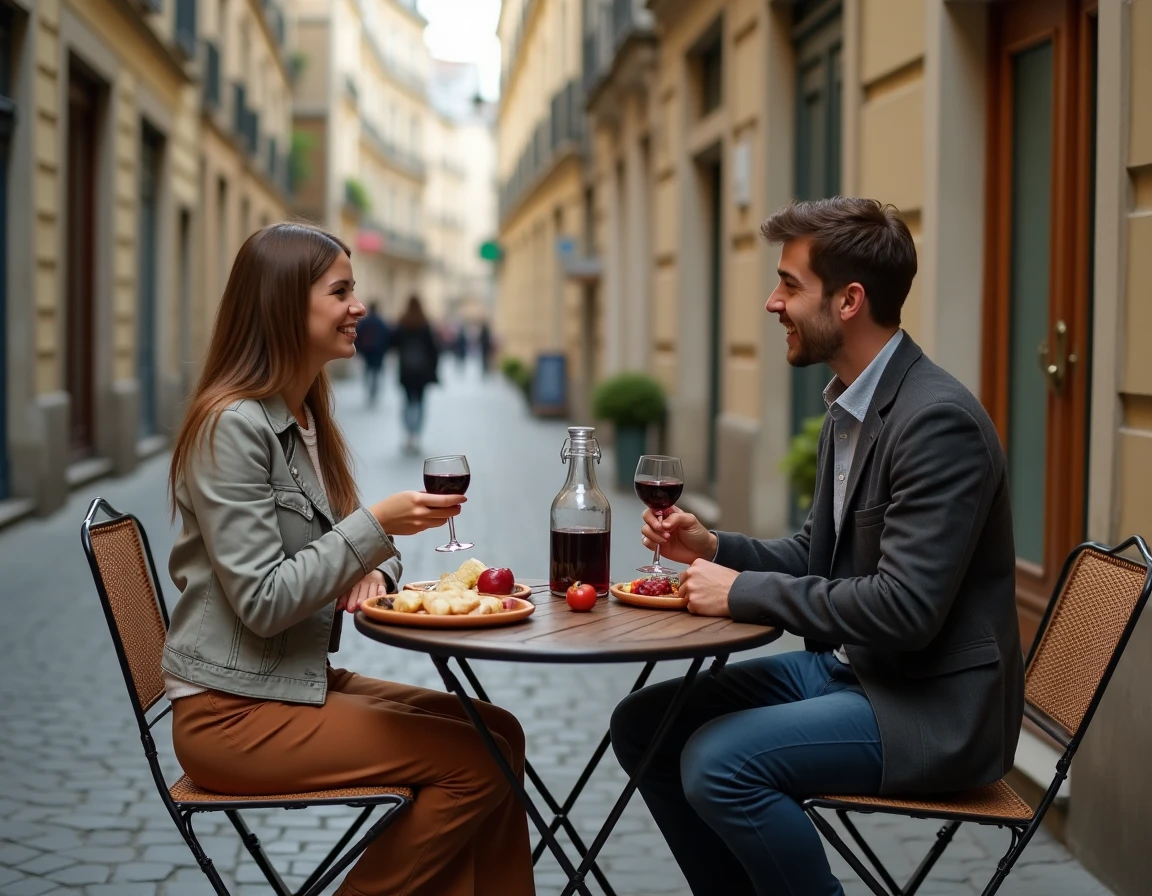
Paris now boasts a remarkable density of natural wine cellars, especially in the 10th, 11th, and 20th. These places also function as meeting spaces, often open in the late afternoon with shareable platters.
On the beer side, several microbreweries have set up in former workshops in northeastern Paris. These addresses change quickly: check the hours before you go.
Budget Control in Paris: Enjoying the City Without Breaking the Bank
Are you wondering how to visit Paris without blowing your budget? Free options remain the best lever, and they are more widespread than one might think.
- Most national museums are free on the first Sunday of the month, including the Musée d’Orsay and the Centre Pompidou
- Parks and gardens (Buttes-Chaumont, Parc Montsouris, Jardin des Plantes) are free to access all year round
- Some Parisian churches house major works visible without a ticket: Delacroix paintings at Saint-Sulpice, contemporary stained glass at Saint-Séverin
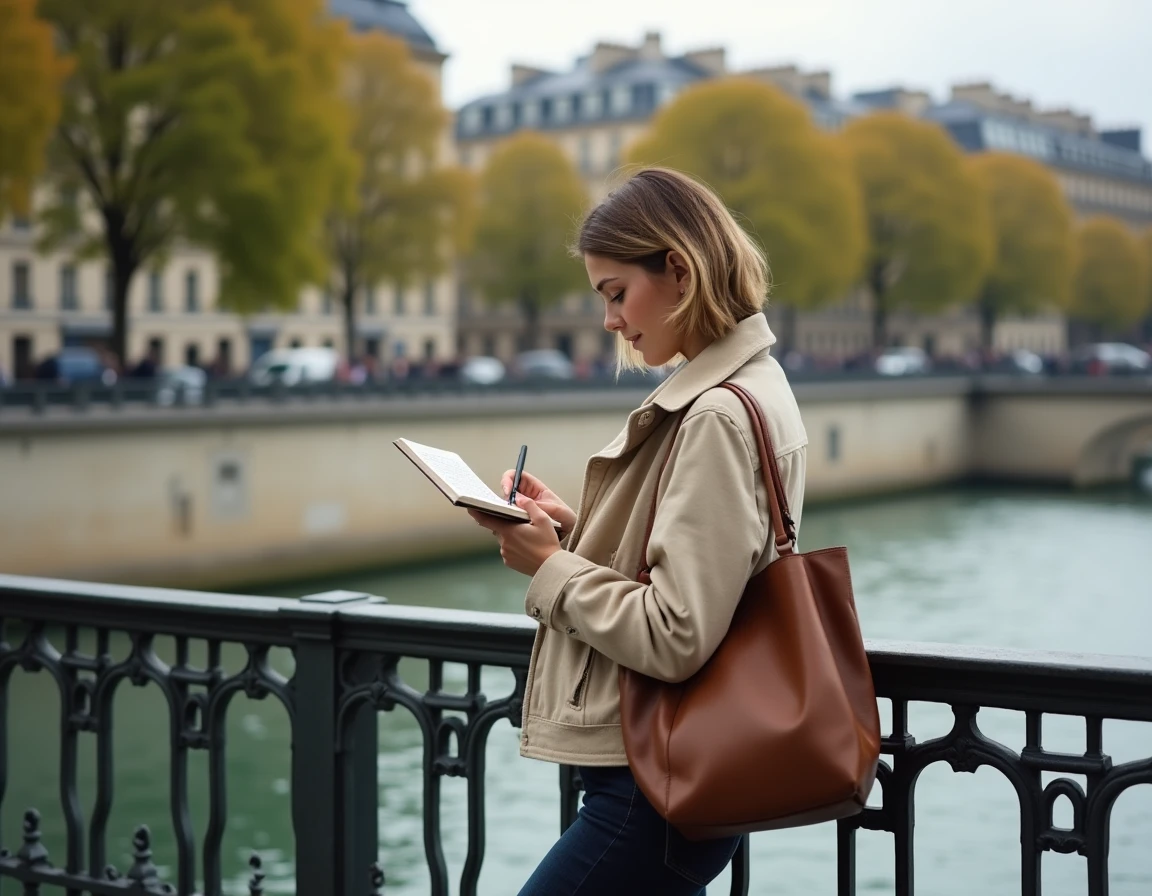
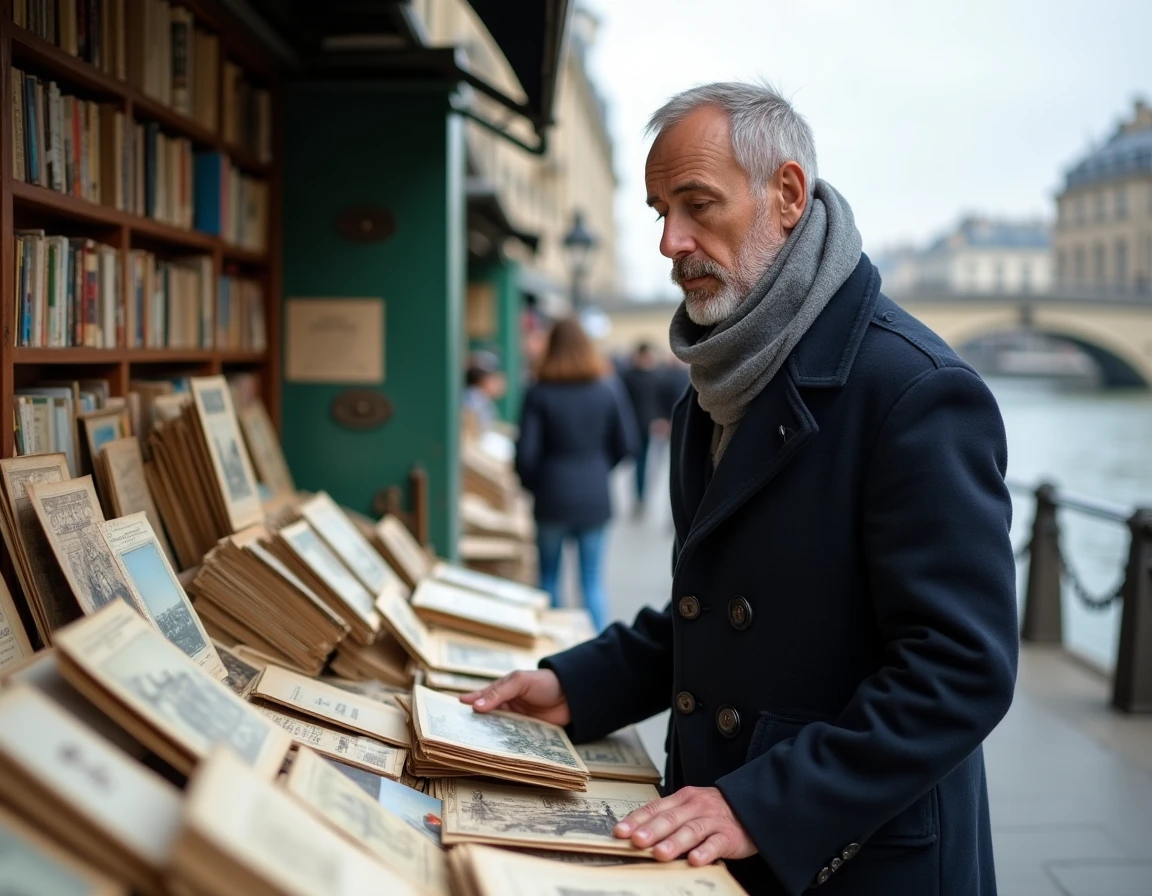
- The Seine quays, redesigned as pedestrian promenades, offer a free walking route over several kilometers
The free Paris is not limited to museums. Outdoor festivals, outdoor screenings, and concerts in music kiosks punctuate the calendar, especially between May and September.
Discovering Paris differently means being willing to get lost in an unknown arrondissement, to follow a canal instead of a map, to eat where the locals eat. The classic circuits have their value, but the most vivid memories often arise from the margins of the map.